Fixing a Noisy Breaker Box, Fast
A switchboard that makes noise is telling you something, the question is what. A faint, steady hum can be nothing more than an older transformer doing its job.
A crackle, pop, or a hum that's grown louder over weeks is a different story entirely. If there's a hot or burning smell near the board right now, stop reading and ring (02) 9538 7444.
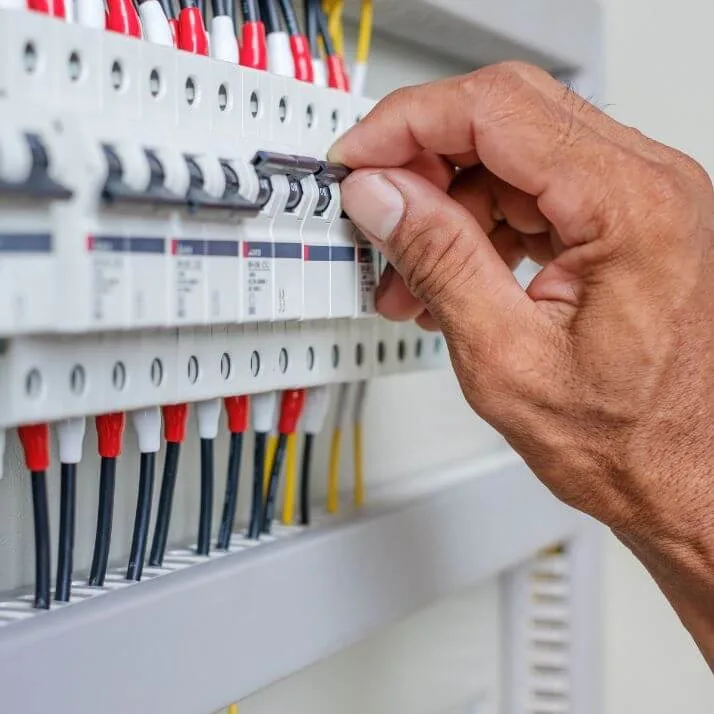
What a Noisy Breaker Box Actually Means
Electrical noise at a switchboard usually comes from current moving through a connection that isn't as solid as it should be.
A tight, correctly rated connection runs silently. A loose one vibrates and arcs microscopically under load, and that's the buzz or crackle you're hearing.
Some noise is genuinely benign. Certain older ceramic-fuse boards carry a low, constant hum from internal components that has nothing to do with a fault.
The trouble is you can't tell the harmless hum from the early-stage fault by ear alone. That's exactly why a proper check beats waiting it out.
Two boards can sound almost identical from the hallway. One is a decades-old design running exactly as it always has, the other is a connection quietly cooking toward failure.
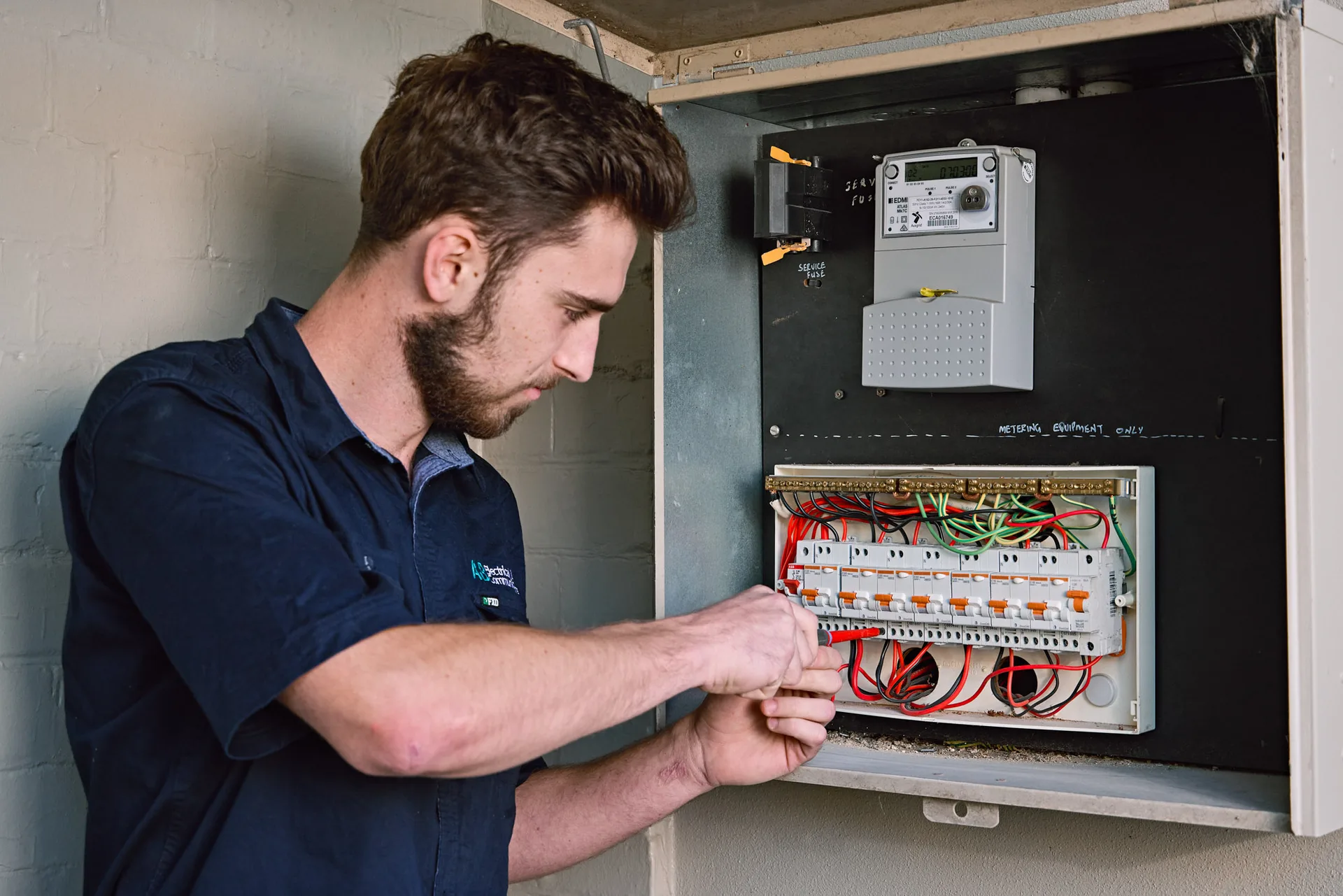
Is a Noisy Breaker Box Dangerous?
Most humming boards are not an emergency, but a few signs change that fast. Call straight away if:
- the noise has a crackling or popping character rather than a steady hum
- you can smell anything hot, burnt or like melting plastic near the board
- the board, or the wall behind it, has gone warm under your hand
- the noise has clearly grown louder or more frequent over recent weeks
A quiet, unchanging hum with no smell or heat can generally wait a day or two for a scheduled call. It should still get looked at, just without the same urgency.
Waiting weeks on a hum that never changes is generally fine. Waiting weeks on one that's slowly climbing is how a minor fault turns into a real one.
If you can't place your hum on that scale, ring and describe it. A licensed Berowra electrician can usually judge from your words alone whether it warrants an urgent run or a booked slot.
The line between the two comes down to trend. Steady and unchanging leans safe; anything getting louder, hotter or more frequent warrants an urgent call.
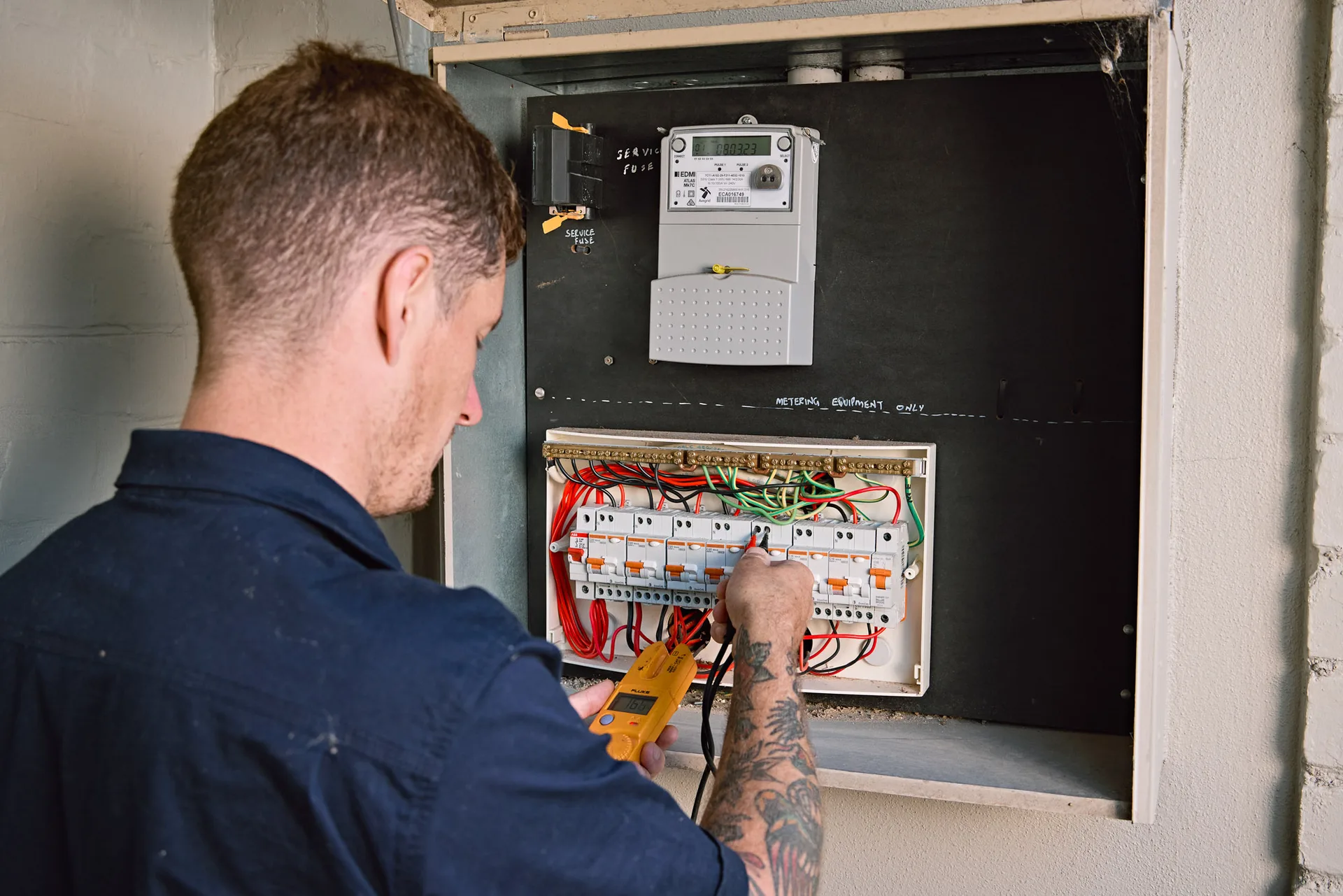
Six Causes, From Common to Rare
In the order we actually find them once testing is done:
- A loose terminal connection, the single most common cause, where a screw has worked slightly free over years of thermal cycling.
- An overloaded circuit breaker, buzzing under more current than it's comfortably carrying.
- A failing circuit breaker itself, internal contacts degrading with age even without an external fault.
- Old ceramic fuses carrying more load than they were ever rated for, humming as they strain.
- Water or moisture ingress, rare but possible around outdoor boards or after heavy rain.
- A genuinely faulty appliance pulling current unevenly, felt back at the board rather than at the appliance itself.
Most of these sound identical from a metre away. Sorting one from another is exactly what the testing at your board is for, not something a homeowner can safely narrow down by listening harder.
What To Do Right Now
- Listen for a pattern. Steady and unchanging, or louder and worsening? That distinction matters.
- Check for smell or warmth. Anything hot or burnt near the board changes the urgency immediately.
- Avoid touching the board. Note what you're hearing and smelling rather than opening any covers.
- Ring (02) 9538 7444 and talk us through it. What you describe tells us exactly what to bring.
How We Fix and Certify the Repair
Every noisy board opens with an eyes-on and thermal check. The camera flags a connection warming up long before your ear or eye can catch it.
A loose terminal gets remade to the correct torque and tested under load. An overloaded breaker or fuse that's simply carrying too much gets reviewed against the circuits it feeds.
When the board is the real culprit, ceramic fuses with no headroom left, we lay out the upgrade path plainly and attach a fixed price before anything proceeds.
Notifiable work finishes with a Certificate of Compliance, so the repair is documented as well as done.
You'll get a plain explanation of what was actually wrong, not just an invoice for a fix. Knowing the cause is what stops the same hum coming back on a different circuit six months later.
Preventing the Next Noisy Board
A board fixed at the actual loose connection or overloaded circuit should run quietly for years. A few habits keep the quiet going:
- Swap a tired fuse board for a modern one via switchboard upgrades once its ceramic fuses or small breakers are clearly outmatched.
- Ask about RCBOs, which pin a fault to its own circuit rather than letting it drag on the whole board.
- Call for electrical repairs the moment a fresh noise starts, without waiting to hear whether it quietens down.
- Split the hungriest appliances over their own circuits, so one terminal never shoulders the full draw.
Why Berowra's Housing Makes This Common
A good number of Berowra's long-standing homes are still working through switchboard upgrades that were never finished when the house was extended or renovated.
Added circuits get tacked onto boards that were sized for a smaller, simpler house, and that's precisely the setup that hums under evening load.
We see it most on the older streets set back from Berowra Waters Road, where a board original to the build now feeds far more than it was ever meant to.
A house that's added a second bathroom, a home office and a run of new lighting since the 1970s is a house whose board has quietly gone from adequate to stretched, without anyone deciding it should.

Related Faults and Surrounding Areas
If the board hums AND throws off heat, head to the hot electrical odour page next. Where a breaker also keeps cutting out over the racket, turn to why a breaker keeps tripping.
We track down the same faults across Mount Colah and Waitara as well as Berowra.

Call Now About Your Noisy Breaker Box
Crackling, worsening or paired with heat and smell, any one of those makes it worth a call today. Ring (02) 9538 7444 and describe exactly what you're hearing.
A proper check settles it either way, and settles it properly.
Common questions
Common Noisy Breaker Box FAQs
The board-noise questions Berowra callers raise most, answered plainly.
Does insurance care if a noisy board was left unrepaired?
It can. A board making noise is a known fault, and an insurer reviewing a later claim can ask whether it was checked. Getting it looked at and certified is the stronger position.
How much does it cost to fix a noisy breaker box?
It depends on the cause, tightening a loose connection is a smaller job than a full board upgrade. We test first and give a fixed written price before any work starts.
Why does the buzzing seem worse at night or when appliances run?
Heavier loads push more current through a weak connection, and that's exactly when it heats and hums the most. Night-time heating and cooking loads often make a marginal fault more obvious.
Can I keep using the circuits while I wait for someone to look?
If it's a faint hum with no smell or warmth, most circuits can keep running until a booked visit. Any crackling, sparking or burning smell means stop and call straight away.
Is a humming switchboard always an emergency?
No. A soft, steady hum from an older board or a transformer nearby is often harmless. Crackling, popping or a rising smell alongside the noise is the version that can't wait.
Should I turn off the mains while I wait for an electrician?
Only if the noise is loud, changing, or paired with heat or smell. A quiet hum with nothing else unusual doesn't need the mains cut, just a booked look.